Featuring Panelists:
Joe Lurie, Deployment, Identity, and Management Specialist | Microsoft
Lorena Mora, Sr. Product Manager | Microsoft
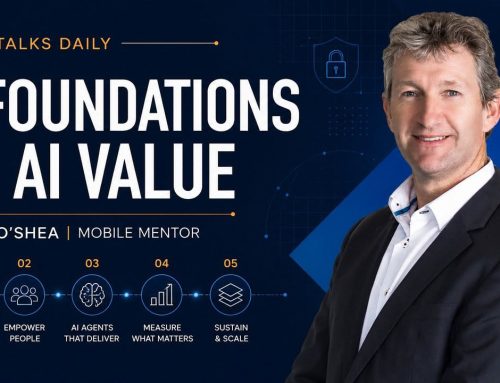
Denis O’Shea, CEO | Mobile Mentor
Milton Cato, Modern Work and Security Engineer | Mobile Mentor
Big changes are coming to Microsoft Intune, and they’re happening fast.
Starting July 1st, core Intune Suite capabilities will be included in Microsoft 365 E3 and E5, fundamentally changing how organizations approach endpoint management, security, and user support. At the same time, a new E7 SKU is on the horizon, bringing together advanced security, AI, and identity into a single, integrated platform.
This session breaks down what these changes actually mean—and how to take advantage of them immediately.
What’s Changing (and Why It Matters)
This isn’t just a licensing update. It’s a shift toward a more integrated, AI-enabled endpoint strategy.
With Intune Suite capabilities becoming standard in E3 and E5, organizations gain access to:
- Remote Help for secure, cross-platform support—even on unenrolled devices
- Advanced Analytics for real-time endpoint visibility and proactive remediation
- Enterprise App Management to simplify app deployment and keep software current
- Endpoint Privilege Management to enforce least privilege without slowing users down
- Cloud PKI and advanced mobility solutions to strengthen Zero Trust foundations
For many teams, this removes the biggest barrier to adoption: cost and complexity.
From Features to Outcomes
Access to new capabilities doesn’t automatically translate into value.
This session focuses on how to operationalize these tools in real environments:
Modernize support without increasing risk
Remote Help enables secure, role-based support across Windows, macOS, and mobile—without requiring full device enrollment.
Shift from reactive to proactive IT
Advanced Analytics surfaces device health, anomalies, and compliance issues before users feel the impact.
Reduce app management overhead
Enterprise App Management introduces a curated app catalog with automated updates, reducing packaging effort and security exposure.
Enforce least privilege at scale
Endpoint Privilege Management allows controlled elevation with justification, MFA, and policy—balancing security with productivity.
Extend Zero Trust to BYOD
Microsoft Tunnel for MAM enables secure access to corporate resources from unmanaged devices without full enrollment.
Preparing for What’s Next
With the introduction of the E7 SKU—combining security, compliance, identity, and AI—organizations are moving toward a unified, cloud-native model.
The opportunity is clear:
standardize, simplify, and scale endpoint management with capabilities you already own.
How Mobile Mentor Helps You Get There
Whether you need speed, scale, or skill-building, there are three clear paths forward:
- Project-based services for rapid deployment and readiness
- Managed services for ongoing optimization with defined SLAs
- Mentoring services to build in-house expertise and accelerate adoption
The right approach depends on your team, your timeline, and your ambition.